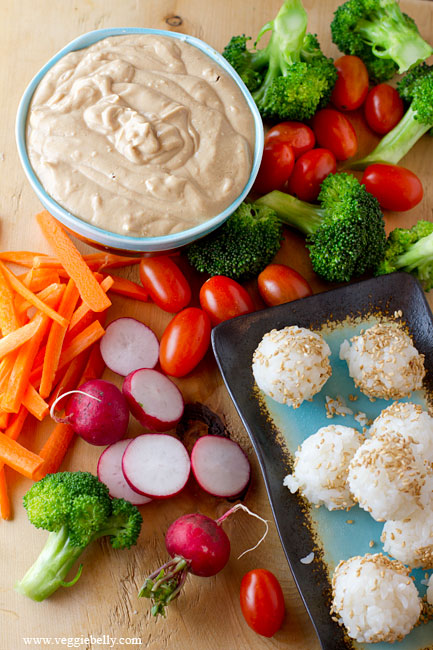
Gado Gado – Indonesian Vegetable Salad with Peanut Sauce


I fell in love with the flavors of gado gado when I first tasted it in Indonesia. It is a quick, easy, healthy salad that you can serve as an appetizer, as a salad course, or pack for office lunch. Typically, the vegetables and peanut dressing are tossed together, or the peanut sauce is poured over the vegetables. Here, I serve it deconstructed on a platter, with the peanut sauce or sambal kacang on the side for dipping.

In Indonesia, the peanut dipping sauce is prepared by pounding together roasted peanuts, garlic, palm sugar, chillies, and shrimp paste. I left out the shrimp paste to make the gado gado vegan. I used peanut butter instead of roasted peanuts – a great shortcut!
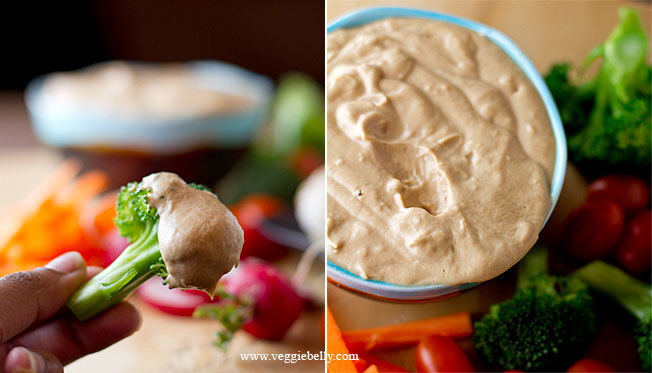
The gado gado I had in Indonesia was served with tomato wedges, beansprouts, tofu and boiled eggs. You can use absolutely any vegetable you like. For this recipe, I served the gado gado peanut sauce with steamed broccoli, cherry tomatoes, carrot sticks, baby radish and rice balls.
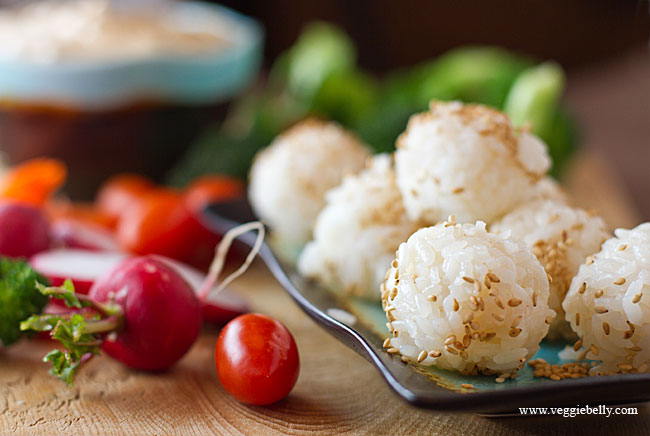
Lontong inspired rice balls

These rice balls are inspired by Indonesian lontong (or Ketupatin some parts of Asia). Lontong is cubes of compressed, cooked rice, that is sometimes served with gado gado. Traditional lontong is made by half cooking rice, packing it into a banana leaf lined mould, steaming the rice in the mould, and then cutting it into cubes or discs.

I love the taste of lontong, but wanted to make something quicker but similar for the gado gado. So I simple rolled cooked sushi rice into balls, and coated the rice balls in sesame seeds. Simple, and delicious!
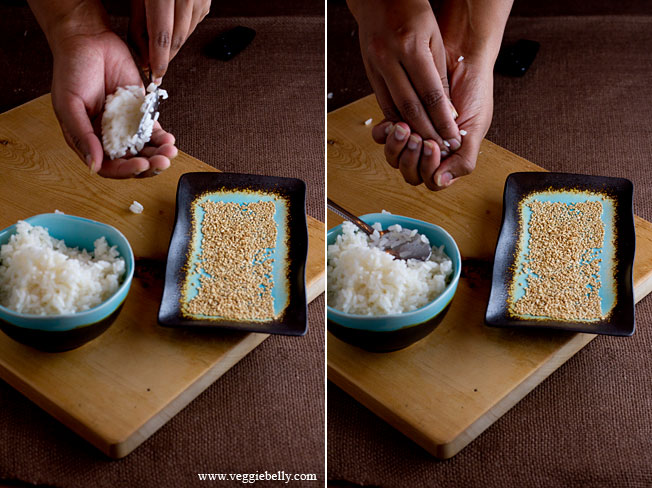
Oil your hands, and scoop a tablespoon of cooked sushi or sticky rice. Using your palm and fingers, gently squeeze the rice into a ball.
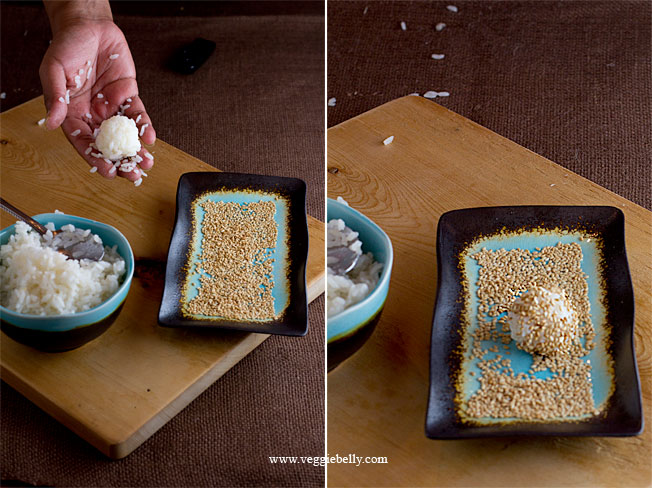
Roll the rice ball into a nice round shape. Roll ther ice ball in toasted sesame seeds.

More Gado Gado recipes

Indonesian Sambal Kacang recipe (peanut sauce for gado gado) from the book Indonesian regional cooking

Agado gado recipe from Rasa Malaysia

Gado gado surabaya style on Indonesia eats

Street sidegado gado making in central Java, Indonesia
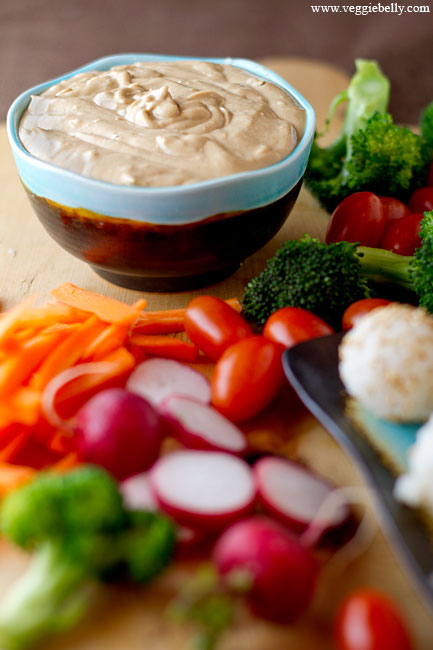
Gado Gado with Peanut Sauce Recipe

serves about 6

for Peanut Dipping Sauce (Sambal Kacang)
3-4 cloves garlic, peeled
1 fresh green chili chopped, (use 1/2 for milder sauce, or leave it out)
Salt
1 cup peanut butter
1 teaspoon jaggery or palm sugar or regular white sugar
2 tablespoon lime juice
2 cups hot water

Place the garlic cloves, green chili and salt in a mortar and pestle and pound into a paste.

In a small bowl, add the garlic paste, peanut butter, sugar and lime juice. Pour in hot water a little at a time, while whisking the peanut butter. Stop pouring the hot water when the peanut butter forms a smooth, dippable sauce. You may not need to use all of the hot water.

Taste the peanut sauce and adjust salt, sugar and lime juice if needed. Serve with vegetable crudites.

for Rice Balls with Sesame Seeds

makes about 6 balls

1/2 cup sushi rice (or other similar glutinous, sticky rice)
1 cup water
salt
1/2 cup toasted sesame seeds
1 teaspoon sesame oil

Place rice, water and salt in a pan. Bring to a boil. Then reduce heat to simmer, place a lid on the pan, and cook till rice is done, about 15 minutes. Let the rice cool a little.

Spread sesame seeds on a plate.

Rub a little sesame oil on your hands (so rice doesnt stick). Scoop about 1 tablespoon of cooked rice, and using your palms, form the rice into tight balls. Roll the rice balls in sesame seeds. Rub your palms with more sesame oil if needed. Repeat till you use up all the rice.

Serve rice balls with peanut dipping sauce.

the vegetables
Choose 5 items from this list, and serve about 1 cup each on a platter, along with peanut dipping sauce (recipe above)

Cubed, fried tofu
Pan fried Tempeh pieces
Tomato wedges or cherry tomatoes
Cucumber slices
Green and red pepper strips
Bean sprouts
Baby radish
Carrot sticks
Celery sticks
Boiled potato
Blanched green beans
Lightly steamed broccoli
Rice balls (recipe above)
Boiled egg
Tortilla chips
Pretzel sticks
Chocolate Beet Cake – a Ross Burden Recipe

This is the ONLY chocolate cake I ever make. After the first time I made this cake, I threw out every other chocolate cake recipe I had. This easy, moist beet and chocolate cake recipe comes from Chef Ross Burden.

The cooked beets (beetroot) in this recipe keep the cake incredibly moist. And if you didnt tell your guests there are beets in this cake, they will never guess! My favorite trick is to serve this cake, and after everyone has eaten it, ask “guess whats in it”?!

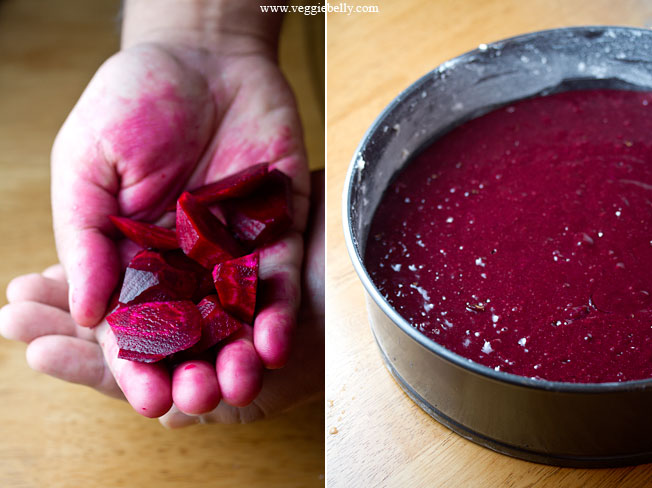
To cook the beets, peel about 3-4 large beets. Chop them into chunks. Place in a pan with just enough water to cover them. Put a lid on the pan, and simmer till the beets are fork tender. Add more water while cooking if needed. But make sure you cook away all the water, you dont want the cooked beets to be watery. Then place the cooked beetroot in a blender and puree. Weigh the amount of beets needed, and proceed with the recipe below.

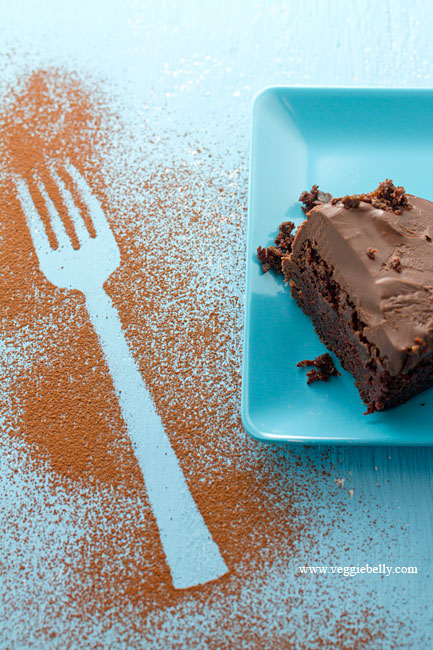
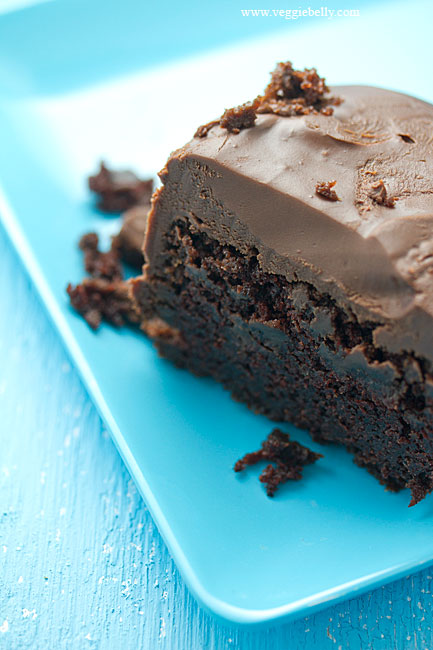
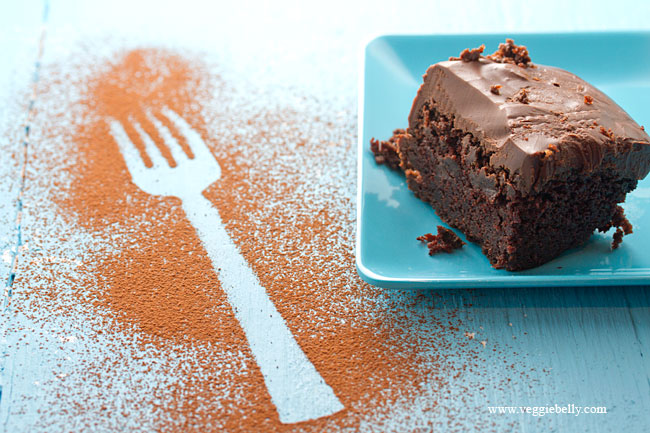
You wont find a picture of the whole chocolate beet cake here because it was all eaten up, and I struggled to even save this one piece so I could photograph it!

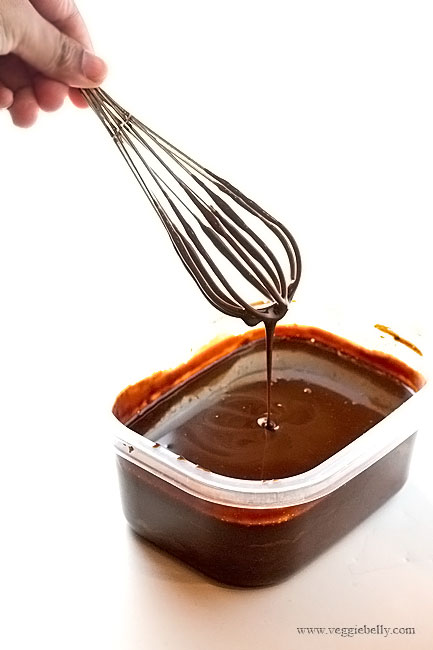
Ross Burden’s Chocolate frosting recipe is so easy and decadent. Make sure to use the best quality chocolate you can afford!

The only change I made to Ross’ original recipe is to add a little vanilla extract and a pinch of salt. If you wish, you could also add a couple of tablespoons of brewed espresso to the batter, for depth.

Make sure you use a kitchen weighing scale and measure the ingredients in the recipe by weight.

Ross Burden’s Beet (Beetroot) Chocolate Cake Recipe

original recipe is here

serves about 8

for the cake
85 grams dark chocolate
3 medium eggs
300 grams sugar
240 ml sunflower or vegetable oil
300 grams cooked beets (see post above for how to cook the beets)
1 teaspoon vanilla extract
30 grams cocoa powder
200 grams flour
1 1/2 teaspoon baking soda
1/4 teaspoon salt

for the chocolate ganache
250 grams dark chocolate, broken into pieces
250 ml heavy cream

Pre heat oven to 350 f.

Melt the chocolate (for the cake) over a double boiler. In a separate bowl, whisk together the eggs, sugar and oil. Slowly add the cooked beet puree , the melted chocolate and vanilla into the egg mixture. Beat just untill combined.

Sift the cocoa, flour, baking soda and salt. Add this to the beet batter. Fold just untill everything is combined. Dont over work or over mix the batter.

Spread a teaspoon of butter or oil over the surface of a 10 inch cake pan. Sprinkle some flour all over, and tap out the excess. Pour the cake batter into the prepared cake tin. Bake for about 30 minutes, or till a tooth pick or skewer inserted in the middle of the cake comes out clean. Baking time may vary depending on the pan and oven you are using.

While the cake is baking, work on the ganache frosting. Place the chocolate in a bowl. Heat the cream in a sauce pan, just till it starts to barely boil. Pour the hot cream over the chocolate and whisk till it forms a smooth sauce.

When the cake is done, cool it on a wire rack. Then pour the chocolate ganache over while the ganache is still warm. Let the ganache topping cool and set a little before serving.

Serve with Ross Burden’s burnt caramel icecream. Yum!

Creamy Ven Pongal (Rice and Lentil ‘Risotto’)

Tamil people of South India celebrate Pongal in January. During this harvest festival we combine two of south India’s staples, rice and lentils, into a luscious, comforting and creamy risotto like dish. The day of Pongal is one of worship and thanksgiving  where we make offerings to the Sun god and thank him for the year’s harvest. The day after pongal is maattu pongal, literally ‘cow pongal’, honoring cows and other working animals.

A Pongal Tradition

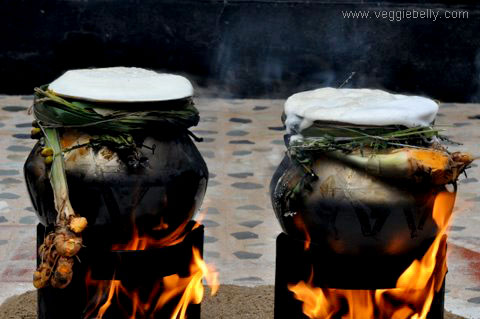
When I was a child, pongal was always a much anticipated festival day. We woke early, dressed up and headed downstairs to a smokey open wood fire. Two decorated brass pots of pongal would already be bubbling away – one sweet (with coconut, cardamom and jaggery), and one savory (recipe below).  My grandmother the matriarch, was in charge of making the pongal. My father would always scold her for using too much ghee in pongal, and the second he turned away, shed add another dollop!

Pongal in India – sweet and savory pongals in brass pots on an open fire in my grandmother’s house

The trick to a creamy pongal is to cook it in whole milk, rather than water. If you’d rather keep the dish light, substitute the milk with water. Remember that the amount of water you’ll need in this recipe will vary depending on the rice you are using.


More pongal recipes..

Chef in you’s pressure cooker pongal recipe

Ven pongal recipe by Archanas kitchen

Another ven pongal recipe on a life time of cooking blog

Kara pongal or khara pongal recipe using chillies and coconut on Aayi’s recipes

Creamy Ven Pongal Recipe

serves about 4

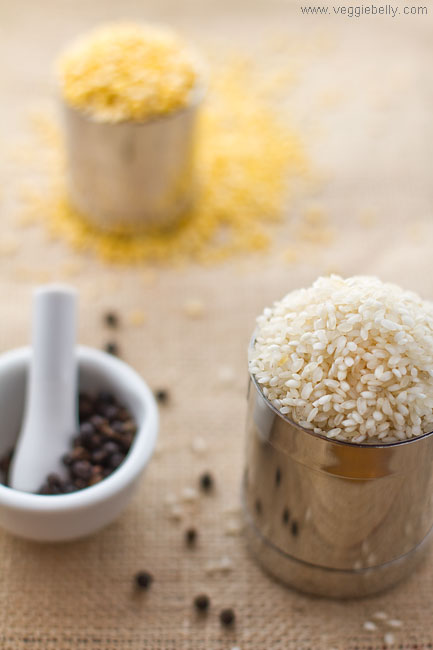
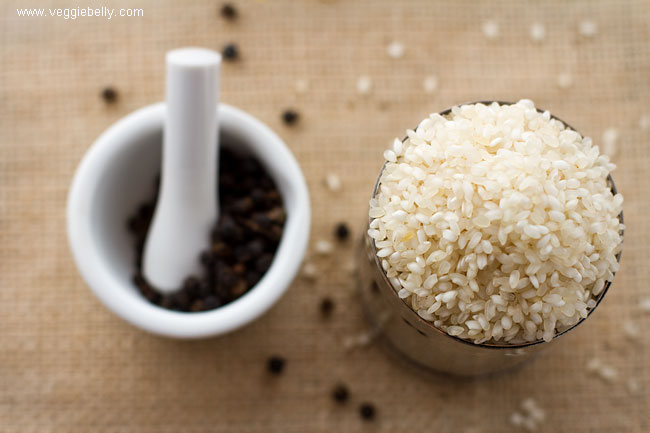
1 cup short grain rice (substitute with basmati)
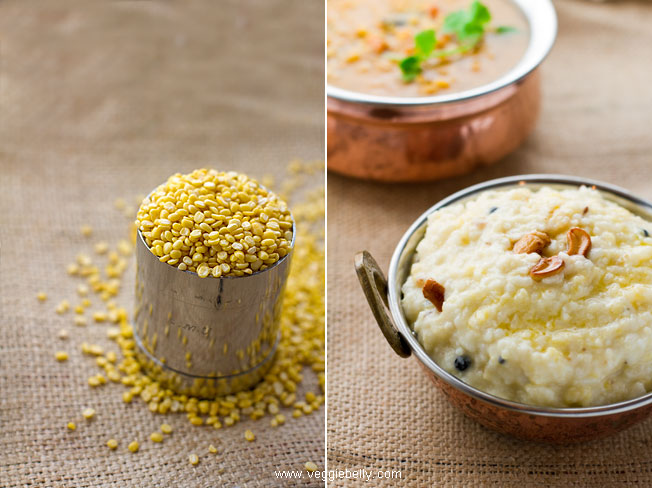
½ cup split moong dal (mung beans)
½ teaspoon oil
4 tablespoons ghee (clarified butter) or butter
½ teaspoon black mustard seeds
½ teaspoon cumin seeds
1 teaspoon peppercorns
6oz fresh ginger, peeled
1/8 teaspoon asafoetida
4 curry leaves
3 cups whole milk
2 cups water
Salt
2 tablespoons cashewnuts, lightly roasted in a few drops of oil or ghee

Rinse and drain the rice and dal and set aside.

You will need to use a large, deep pot or saucepan for this recipe. If you use a small pot, the milk will boil over and make a mess.

Heat oil and ghee in the pot . Add mustard seeds to oil & ghee. When they splutter, add cumin and peppercorns, and stir 30 seconds. Cut the peeled ginger into 2 or 3 chunks. Add ginger chunks, asafetida, and curry leaves to the oil and stir about 30 seconds or till the ginger and curry leaves are fragrant.

Add the rinsed rice and dal, and stir well. Pour in the milk, water and salt and bring to a boil. If the milk begins to froth and boil over, stir it till it settles down.

Once the milk boils, reduce heat to low, cover the pot with a lid and simmer for about 30 minutes. Stir occasionally so that the milk doesn’t boil over and make a mess.

Pongal is done when the rice is very soft and creamy. Depending on the rice you are using, cooking times may vary. You may also need to use more water, depending the rice you are using.

If most the liquid gets absorbed, but the rice still isn’t cooked, just add more water and continue cooking till rice is soft.

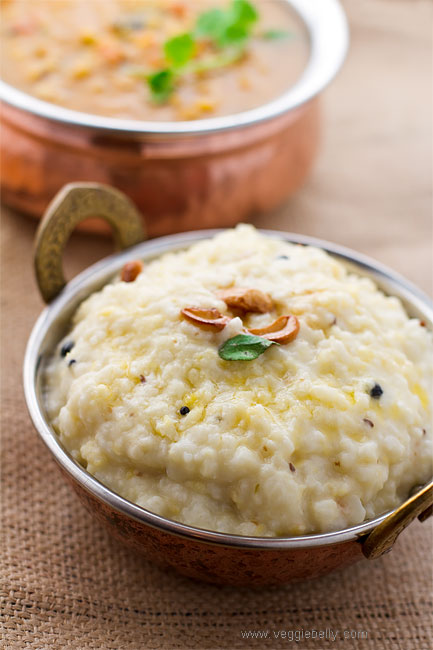
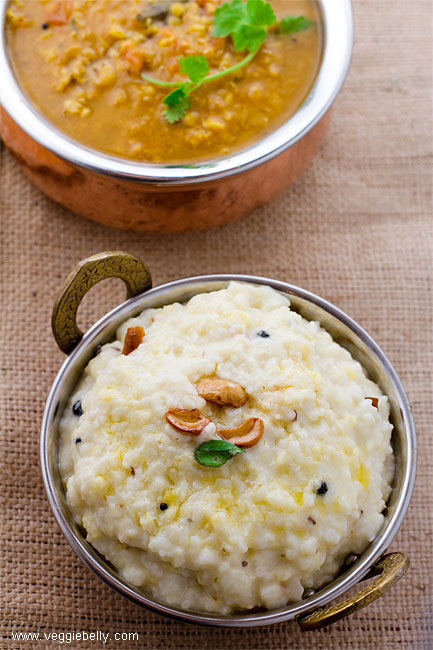
Serve hot, topped with roasted cashews and sambar on the side.

Happy Pongal!

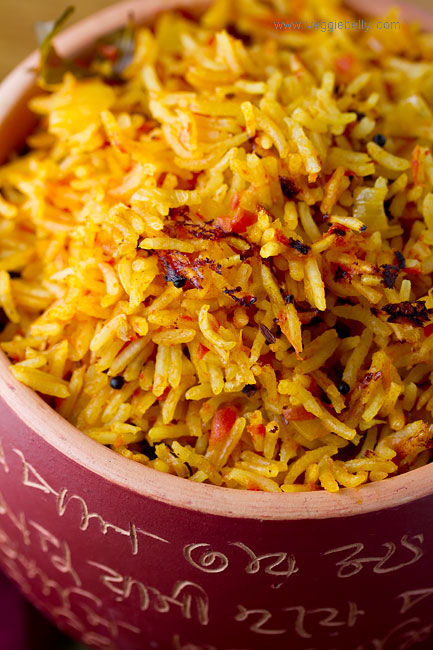
Paella Style Spiced Tomato Rice

If you’ve been reading my blog for sometime, or you have been following me on twitter, or facebook, you know I have a great love for traveling.  Travel opens up the mind, gives me different perspectives and squashes prejudice. I learn so much through the things I see and the people I meet my travels.

One such person was Monika, whom I met in Melbourne. (More about my Australia, New Zealand, Fiji trip in later posts!). Both Monika and I were staying with a host family for the weekend. Our lovely hosts were Hungarian, lived in New Zealand, and then moved to Australia. Monika is Polish, grew up in Germany, and studied in Spain. Then there was me – grew up in India, studied in the UK and now live in the US. We were all representing at least 3 countries each, and combined, have traveled to over a 100. So you can imagine all the international conversations we had!

Monika and I were roommates for the weekend. We chatted through the night, lying on our bunk beds, discussing life, love, marriage and men in our respective countries. We both learnt so much from each other that weekend.

I decided to cook an Indian meal for Monika and our hosts. I was more than thrilled to find out that our amazing Hungarian hosts had a pantry full of Indian ingredients, including asafoetida and curry leaves!

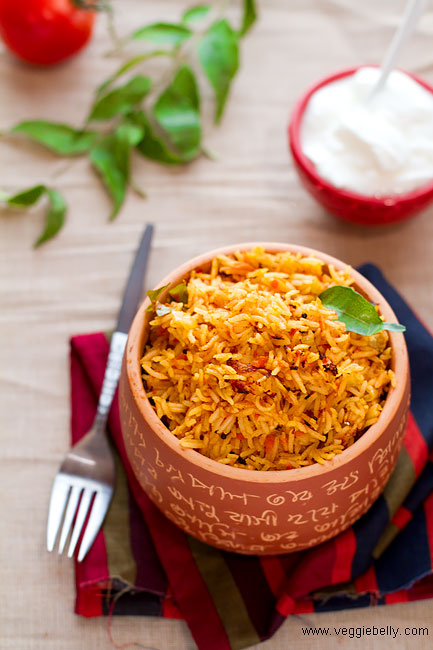
When I finished making tomato rice (which Monika loved!) and pumpkin curry, the aroma of curry leaves, turmeric and fragrant basmati filled the kitchen. I was nearly transported back home. Only, I was in Australia, happily finding curry leaves in a Hungarian fridge!  

This is for you Monika ♥

A good paella always has a crusty bottom called socarrat. To me, thats the best part of the dish. I’m always scraping up the delicious crusty rice! This dish is tomato rice, not paella, so we wont call its crust soccarat. But in any case, the bottom layer of caramelized basmati rice is just wonderful.

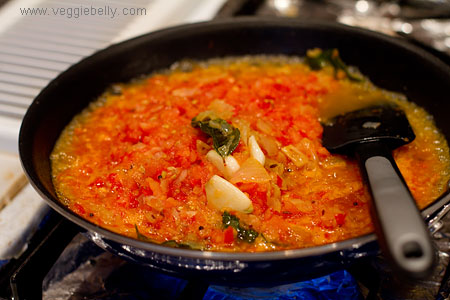
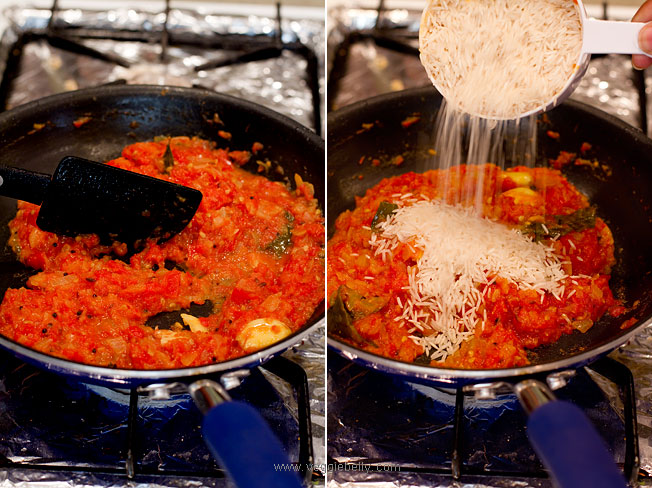
First, cook onions, garlic, and tomatoes, along with a little turmeric and paprika.

The tomatoes will break down, and the sauce will thicken and reduce to about half its original volume. Now add rice.

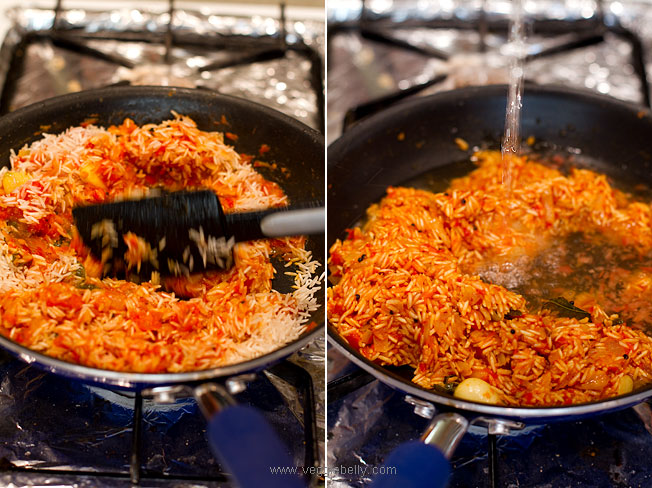
Stir the rice and let it toast a little. Then add water, cover, and simmer.

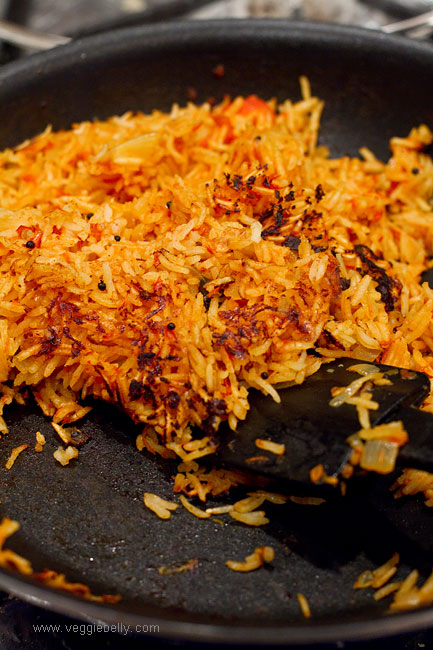
caramelized bottom layer – the best part!

How to get a paella style crust (socarrat) – when the rice is done, crank up the heat to high just for about a minute. This will make the rice in the bottom toasted and crispy. Thats it! Be careful not to burn the rice, you just want it browned a little.

You must use a wide skillet, preferably non stick, to achieve the crispy bottom layer. If you dont plan on creating the crust, a saucepan will do.

Tomato Rice with a Paella Style Crust: Recipe

serves 2-3

2 tablespoons vegetable oil
1/4 teaspoon mustard seeds
1/4 teaspoon cumin seeds
6 curry leaves
1 medium onion, chopped fine
3-4 cloves garlic, peeled
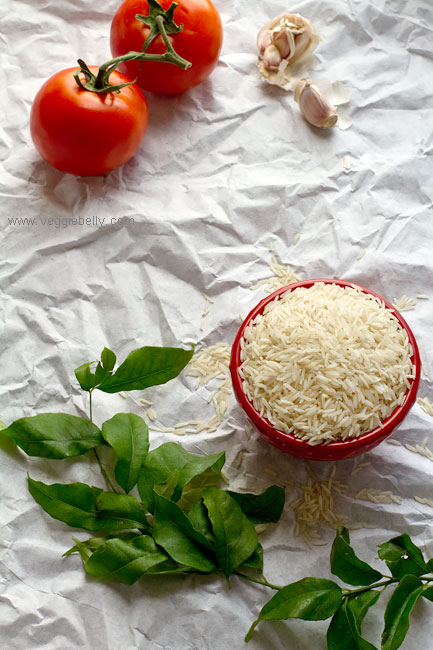
4 medium tomatoes (1 lb) chopped fine (about 2 cups when chopped)
1/4 teaspoon turmeric powder
1/2 teaspoon paprika or chilli powder (adjust according to taste)
1/2 teaspoon sugar, optional
1 cup bastmati rice
1 cup water
3/4 teaspoon salt (adjust according to taste)

Use a 10 inch non-stick skillet thats about 1 1/2 inches deep and has a lid. Heat oil in the skillet, and add mustard seeds. When they pop, add cumin seeds and let sizzle for a few seconds. Then add curry leaves and chopped onion. Cook on medium heat till the onion is lightly brown. Add garlic cloves to the oil, and stir for about a minute. Dont let the garlic brown.

Now add chopped tomatoes, turmeric and chili powders to the skillet. Add sugar if using (I like to use a little sugar if the tomatoes are too sour).

Cook on medium high heat, stirring occasionally, till most the liquid is gone, the tomatoes have broken down, and the sauce reduces to about half its original volume. This will take 10-15 minutes. You will land up with just over one cup of tomato-onion sauce.

To the reduced sauce, add rice, and salt. Stir on medium-high heat for about 4 minutes. Add water to the rice and bring to a boil. Reduce to low, cover the skillet and simmer for about 15 minutes, or till the rice is cooked and fluffy. Start checking the rice after 12 minutes to ensure it doesnt over cook.

When the rice is done, increase the heat to high. Let the rice sit on high heat for about one minute. This will form a tasty rice crust on the bottom, much like in a paella.

Serve tomato rice with my grandmother’s multi coloredvegetable raita.

Optional garnishes for tomato rice - roasted cashews, roasted peanuts, crispy fried onions, or chopped cilantro

Related Posts with Thumbnails